- Home
- About Us
- Our Products
- Our Brands
- JAECOO
- OMODA
- KAIYI
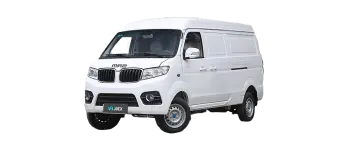
- SRM
- Blogs
- Connect With Us
- Dealer Network
- Book a Service


Drive down any main road in Colombo today and you will see a badge you didn’t recognise a year ago, on a car shape you didn’t expect from that price tag. Chances are it says OMODA, JAECOO, iCAUR or KAIYI. Chances are someone told you it’s an “NEV.” Chances are nobody explained what that actually means.
NEV stands for New Energy Vehicle, a term widely popularised by China to describe vehicles that move beyond conventional petrol or diesel-only power. While many people assume NEV simply means “electric car”, the category is broader.
A Battery Electric Vehicle, or BEV, runs entirely on electricity, powered by a battery and driven without an engine. It offers zero tailpipe emissions and is ideal for drivers looking to fully embrace electric mobility.
A Hybrid Electric Vehicle, or HEV, uses an engine and battery power, but does not need to be plugged in. Instead, the battery is charged through the vehicle’s own system, helping improve fuel efficiency and reduce fuel consumption.
A Plug-in Hybrid Electric Vehicle, or PHEV, combines a battery-powered electric motor with a fuel engine. The battery can be charged externally, allowing drivers to use electric power for everyday journeys while still having the reassurance of an engine for longer trips. For Sri Lankan motorists concerned about range and charging access, this makes PHEVs a practical bridge into the electric era.
A Range-Extended Electric Vehicle (REEV or EREV) is driven primarily by an electric motor, while a small petrol engine acts solely as a generator to recharge the battery when needed. This extends driving range without directly powering the wheels, offering many of the benefits of an electric vehicle while reducing range anxiety.
Looking ahead, Hydrogen Fuel Cell Electric Vehicles (FCEVs) represent another important part of the NEV landscape. Rather than relying on large batteries, they generate electricity from hydrogen to power an electric motor, producing only water vapour as emissions. Although hydrogen infrastructure is still developing globally, it is widely regarded as one of the technologies that will help shape the future of sustainable mobility.
So why does this matter to Sri Lanka?
Because the future of mobility is about efficiency, energy security, sustainability and long-term value. Every litre of fuel saved has a wider impact, on the country’s foreign exchange outflow and environmental footprint.
This is where Hayleys Mobility plays a timely role.
As the mobility arm of Hayleys Fentons Limited, Hayleys Mobility is introducing globally recognised automotive brands, such as, OMODA & JAECOO, iCAUR, KAIYI, SRM to Sri Lanka, helping local customers access smarter, more efficient and more future-ready mobility solutions.
Don’t watch the mobility revolution happen from the sidelines. Call our hotline (0112 222 222) right now to connect with our expert team for full specifications, and pricing details. If you’re ready to see what mature global engineering actually looks like, walk into our flagship stores today for a true, first-hand feel of next-generation driving.
📍 OMODA & JAECOO Flagship Store: No. 127/1 Sir James Pieris Mawatha, Colombo 02
https://maps.app.goo.gl/WPypRVvSc6ExFFat8?g_st=iwb
📍 KAIYI Flagship Store: No. 75 Arnold Ratnayake Mawatha, Colombo 10
https://maps.app.goo.gl/cDhEhZdSKLGeFWmPA?g_st=iwb
Are you ready to make the switch? Drop your questions in the comments below!
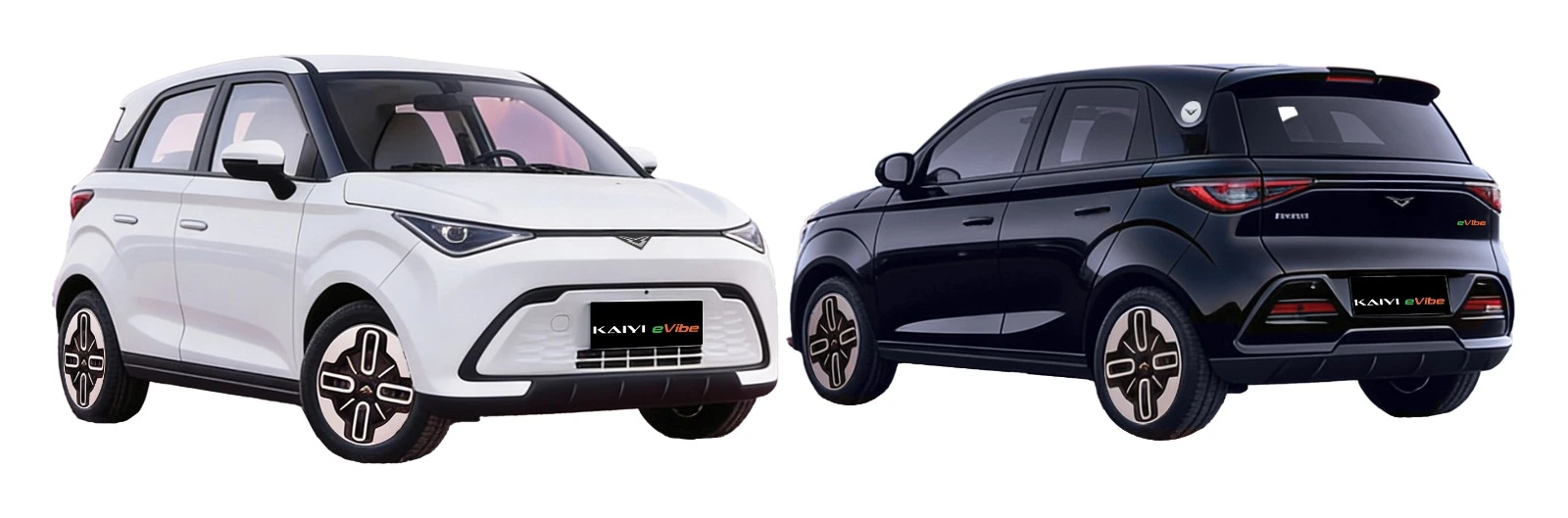
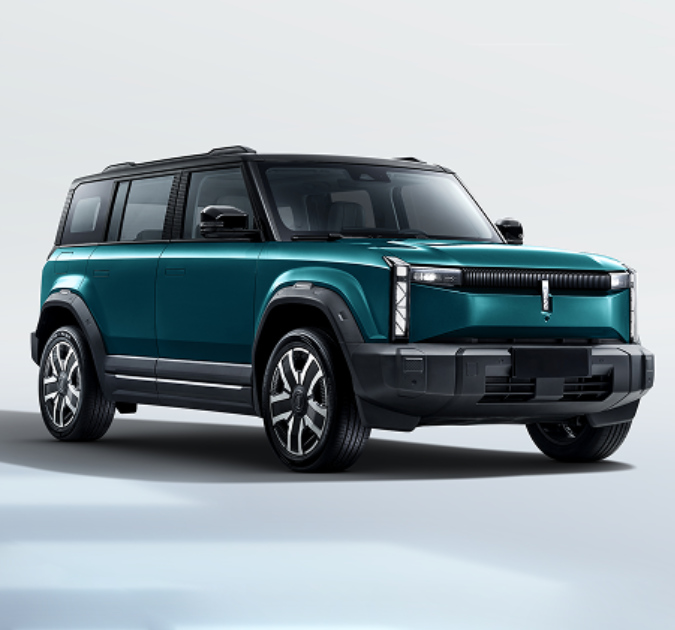
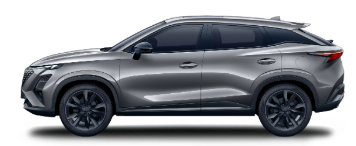
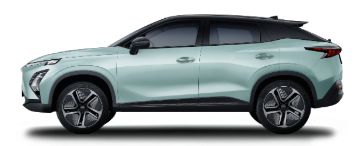
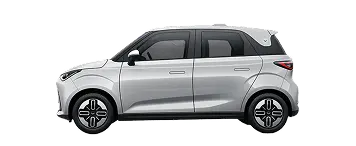
All-electric Kaiyi eVibe E04
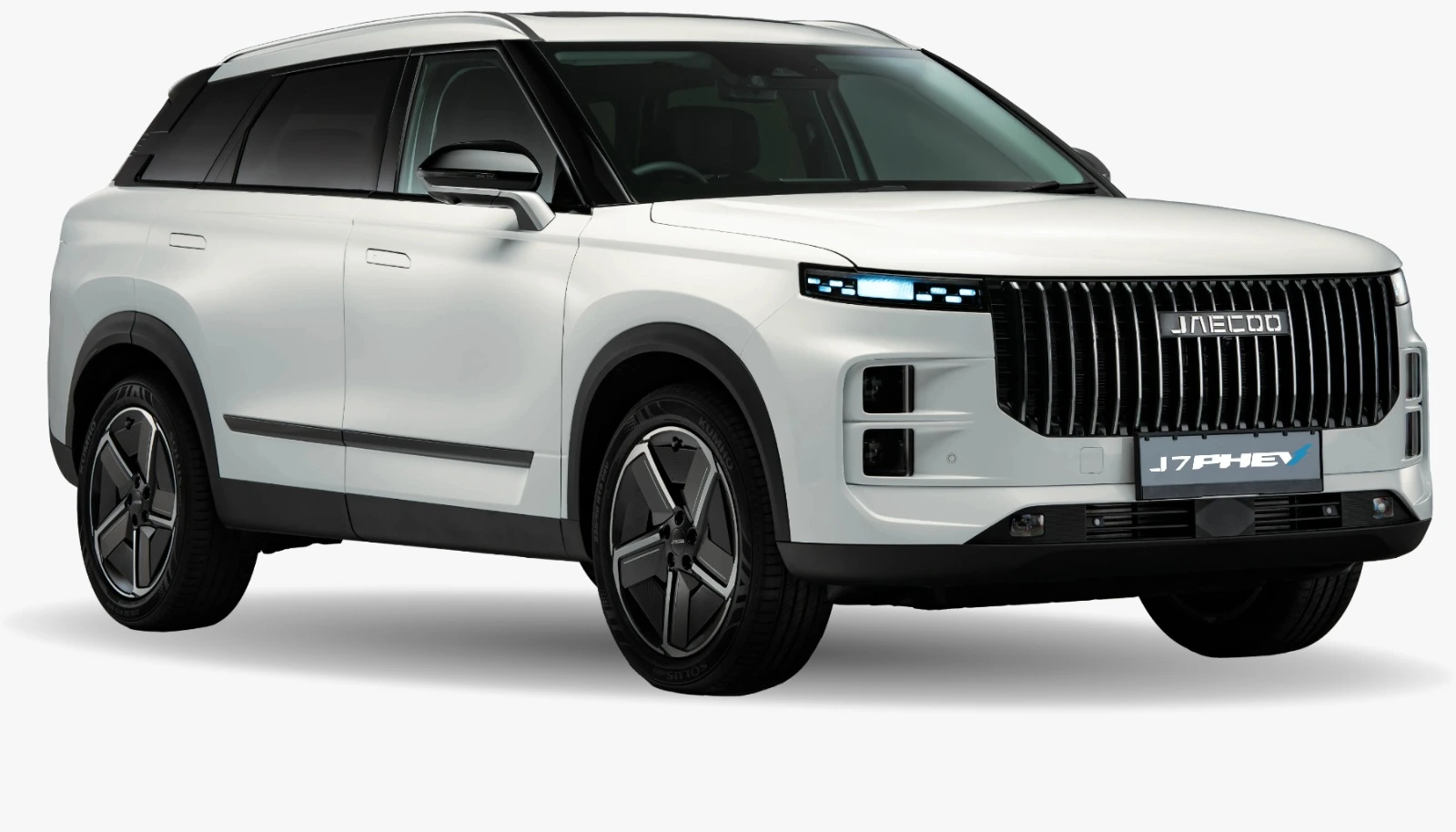
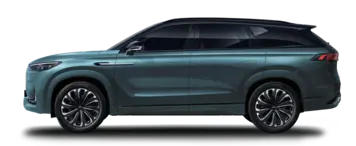
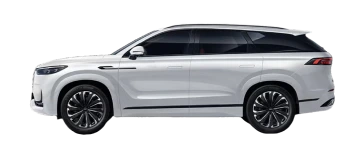
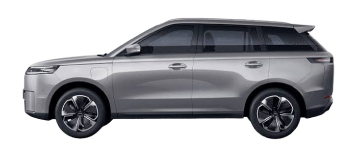
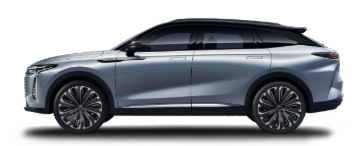
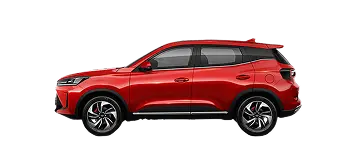
JAECOO J7 PHEV
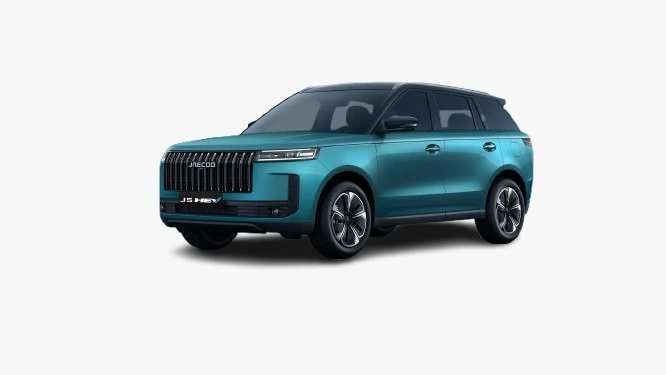
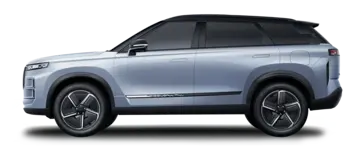
JAECOO J5 HEV